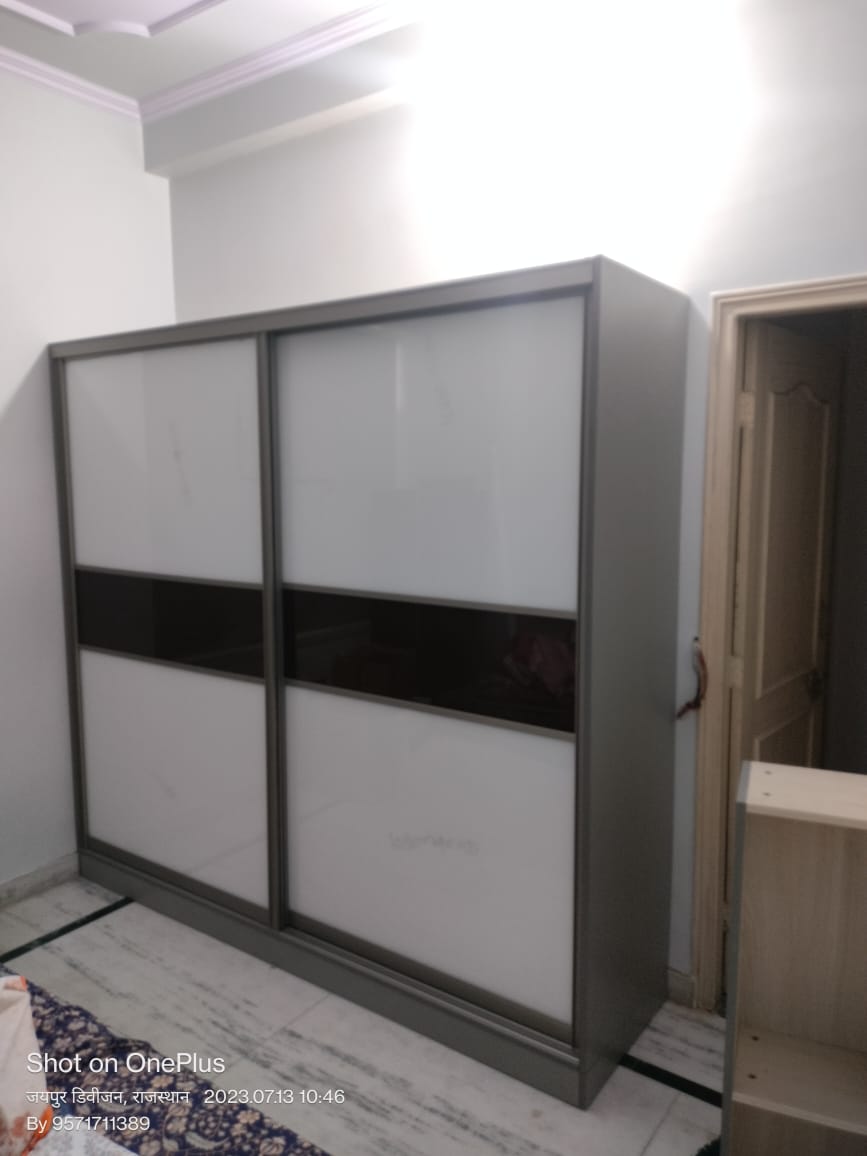
Wardrobe Designing and Implementation: Creating Functional and Stylish Storage Solutions
Wardrobes are an essential component of any home, offering not just storage space but also contributing significantly to the overall aesthetic and organization of a room. Whether you're designing a wardrobe for a bedroom, hallway, or any other space, thoughtful planning and consideration of various aspects can result in a highly functional and visually appealing storage solution. Let's explore the key elements of wardrobe designing and implementation:
1. Assessment of Space and Needs
The first step in designing a wardrobe is to assess the available space and understand the storage needs of the user. Consider the dimensions of the room, including ceiling height, wall space, and any architectural features that may influence the design. Determine how much hanging space, shelving, drawers, and shoe racks are required based on the number and types of items to be stored.
2. Choosing the Right Materials
Selecting the appropriate materials for the wardrobe is crucial for both durability and aesthetics. Common materials used include:
Wood: Solid wood or engineered wood (plywood, MDF) offers a classic and sturdy option. It can be finished with veneers, laminates, or paints to suit various interior styles.
Laminate: Laminate wardrobes are cost-effective, easy to clean, and available in a wide range of colors and textures. They are resistant to scratches and moisture.
Glass: Glass can be used for wardrobe doors to add a modern and sleek look. Frosted or colored glass options provide privacy while maintaining a contemporary aesthetic.
Metal: Metal wardrobes are durable and often used in industrial or minimalist designs. They can be powder-coated in various colors to match the room decor.
3. Layout and Configuration
The layout of the wardrobe should maximize storage efficiency while ensuring ease of access to items. Consider different configurations such as:
Hanging Space: Determine the amount of hanging space needed for clothes of different lengths (e.g., dresses, coats, shirts).
Shelving: Incorporate adjustable shelves to accommodate items of varying heights, such as folded clothes, shoes, or accessories.
Drawers: Include drawers for storing smaller items like socks, underwear, and jewelry. Soft-close drawers enhance convenience and reduce noise.
Accessories: Incorporate additional features like tie racks, belt racks, pull-out baskets, and valet rods to optimize organization and functionality.
4. Interior Fittings and Accessories
Interior fittings and accessories play a significant role in enhancing the functionality and usability of the wardrobe:
Lighting: Integrated LED lighting inside the wardrobe improves visibility and makes it easier to find items, especially in dark corners.
Mirrors: Incorporating full-length or partial mirrors on wardrobe doors can serve a dual purpose of functional use and enhancing the perceived space in the room.
Pull-out Features: Pull-out mechanisms for shelves or hanging rods maximize accessible storage space and facilitate easy retrieval of items.
5. Customization and Personalization
Customization allows you to tailor the wardrobe to your specific needs and preferences:
Color and Finish: Choose colors and finishes that complement the overall interior design scheme of the room.
Handles and Hardware: Select handles and hardware that match the style of the wardrobe, whether modern, traditional, or minimalist.
Built-in vs. Freestanding: Decide whether a built-in wardrobe that integrates seamlessly into the room's architecture or a freestanding wardrobe that can be moved easily suits your requirements better.
6. Professional Installation
Ensure that the wardrobe is installed by experienced professionals to ensure structural integrity and functionality. Proper installation also includes securing the wardrobe to the wall for stability and safety.
Conclusion
Designing and implementing a wardrobe involves careful consideration of space, materials, layout, and customization options to create a storage solution that meets both functional needs and aesthetic preferences. By paying attention to these key elements and seeking expert advice if needed, you can achieve a well-designed wardrobe that enhances organization, adds value to your home, and contributes to a harmonious living environment. Whether you opt for a sleek modern design, a classic wood finish, or a customized layout, investing in a well-designed wardrobe will undoubtedly enhance the overall functionality and appeal of your living space.