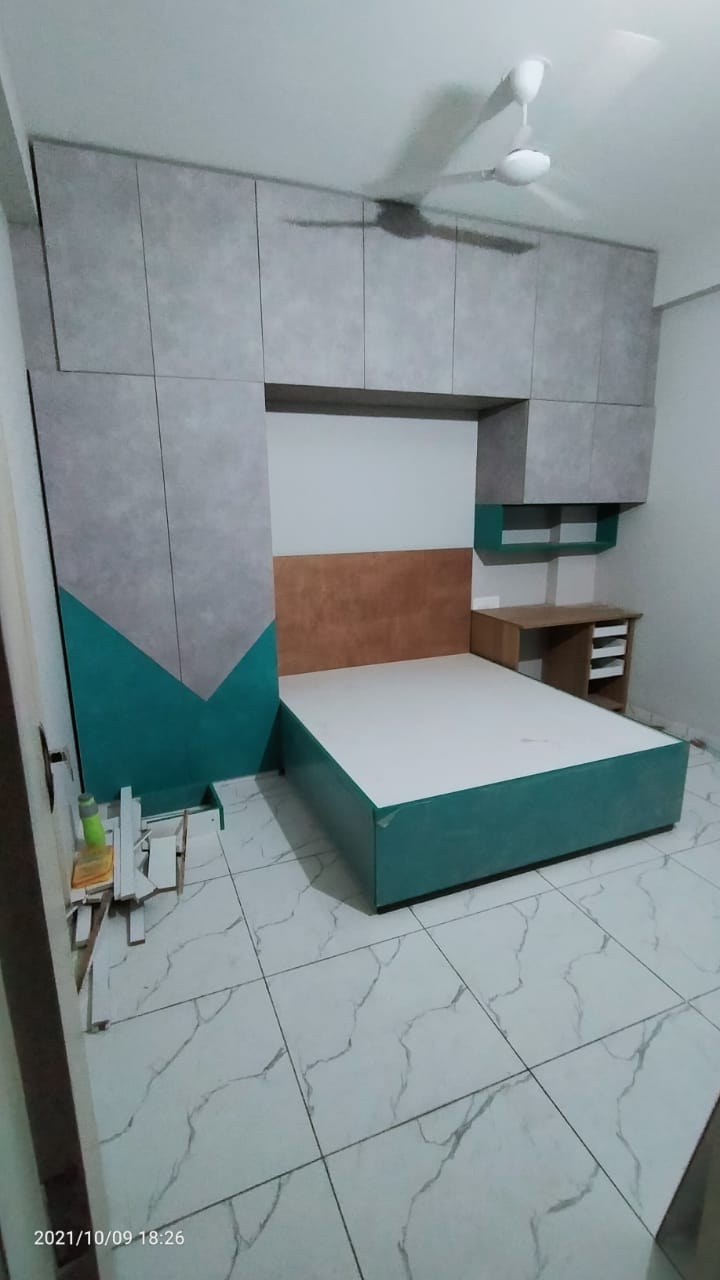
Personalizing Your Space: The Art of Furniture Customization
Furniture customization has emerged as a popular trend among homeowners and interior designers alike, offering the opportunity to create personalized and unique pieces that perfectly fit individual needs, tastes, and spaces. Whether you're looking to optimize functionality, match existing decor, or simply express your creativity, customizing furniture allows for limitless possibilities. Let's explore the art of furniture customization and how it can transform your living spaces:
1. Understanding Furniture Customization
Furniture customization involves tailoring standard or bespoke pieces to meet specific requirements and preferences. It goes beyond choosing colors or finishes; it encompasses modifying dimensions, materials, designs, and even functionalities to align with the vision for your space. This process allows you to create furniture that not only serves its intended purpose but also enhances the aesthetic and functionality of your home.
2. Benefits of Customization
Personalization: Customizing furniture allows you to reflect your personality and style preferences in your living space. Whether you prefer minimalist, rustic, modern, or eclectic designs, customization enables you to create pieces that resonate with your unique taste.
Optimized Space Utilization: Custom furniture can be designed to fit perfectly into specific areas of your home, maximizing space utilization and minimizing clutter. This is particularly beneficial in small or awkwardly shaped rooms where standard-sized furniture may not fit optimally.
Quality and Durability: By choosing materials and finishes, you have control over the quality and durability of the furniture. This ensures that the pieces are built to last and withstand daily use, making them a worthwhile investment.
Functionality: Customization allows you to incorporate features and functionalities that cater to your specific needs. Whether it's additional storage compartments, built-in electronics, or ergonomic designs, custom furniture can enhance the functionality of your home.
3. Types of Furniture That Can Be Customized
Almost any type of furniture can be customized to some extent. Here are some popular options for customization:
Seating: Sofas, chairs, and benches can be customized in terms of size, upholstery fabric, cushion firmness, and leg styles.
Tables: Dining tables, coffee tables, and desks can be customized in terms of size, shape, material (wood, metal, glass), finish, and additional features like built-in storage or extensions.
Storage Units: Wardrobes, cabinets, and shelving units can be customized in terms of size, layout (shelves, drawers), materials, and finishes.
Beds: Bed frames, headboards, and bedside tables can be customized in terms of size, upholstery, storage options, and integrated lighting or charging points.
4. Steps in Furniture Customization
Consultation: Begin by discussing your ideas, needs, and preferences with a furniture designer or manufacturer. They can provide insights, suggestions, and technical expertise to bring your vision to life.
Design and Planning: Collaborate on designing the furniture piece, considering dimensions, materials, finishes, and any special features. Use sketches, CAD drawings, or 3D models to visualize the final product.
Material Selection: Choose high-quality materials that align with your design aesthetic and functional requirements. Options include various types of wood, metals, fabrics, and finishes.
Craftsmanship: Skilled craftsmen or manufacturers will bring the design to fruition, ensuring attention to detail and precision in construction and finishing.
Delivery and Installation: Once completed, the custom furniture is delivered and installed in your home. Professional installation ensures that the pieces are securely positioned and ready for use.
5. Cost Considerations
Custom furniture generally involves higher costs compared to off-the-shelf options due to the personalized design, materials, and craftsmanship involved. However, the investment often pays off in terms of quality, durability, and satisfaction of owning unique pieces tailored to your preferences.
Conclusion
Furniture customization offers a compelling opportunity to transform your living spaces into personalized sanctuaries that reflect your style, functionality needs, and individuality. Whether you're redesigning a single room or furnishing an entire home, customizing furniture allows you to create pieces that are not only functional but also aesthetically pleasing and built to last. By collaborating with skilled designers and craftsmen, you can embark on a creative journey to elevate your home decor and create a space that truly feels like your own.